
Organic / natural sake is getting popular in Japan recently, so why not try a Japanese organic/natural sake while you’re in Japan?
Here are 7 examples we recommend you to try in Japan.
We are going to divide them into two categories; organic sake using organic rice and natural sake that is produced using the natural method during the making process.
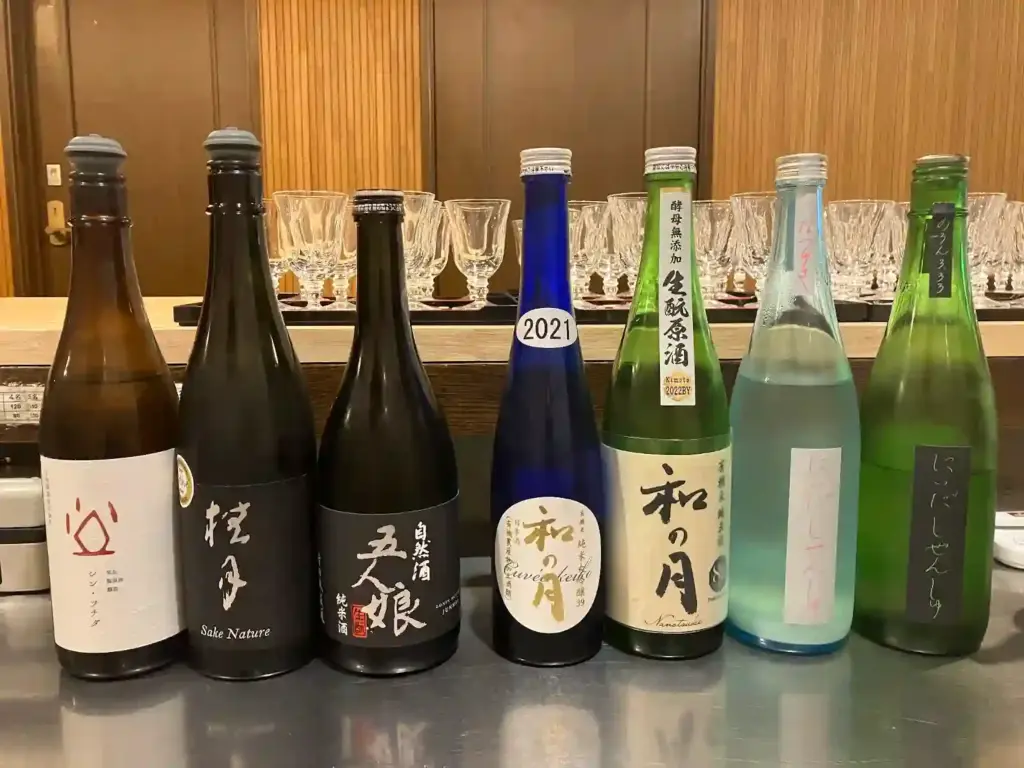
What is organic sake / natural sake?
Organic sake uses Certified Organic (JAS) rice which is free from chemical fertilizers and synthetic pesticides. Not just the rice from the ingredients but the entire sake brewing process is also certified to meet organic standards.
You may have heard of natural sake. Natural sake is a bit different from organic sake in a way that uses only rice, koji (mold) and water with no yeast and additives.
Try these Natural Sake / Organic Sake While You Are in Japan
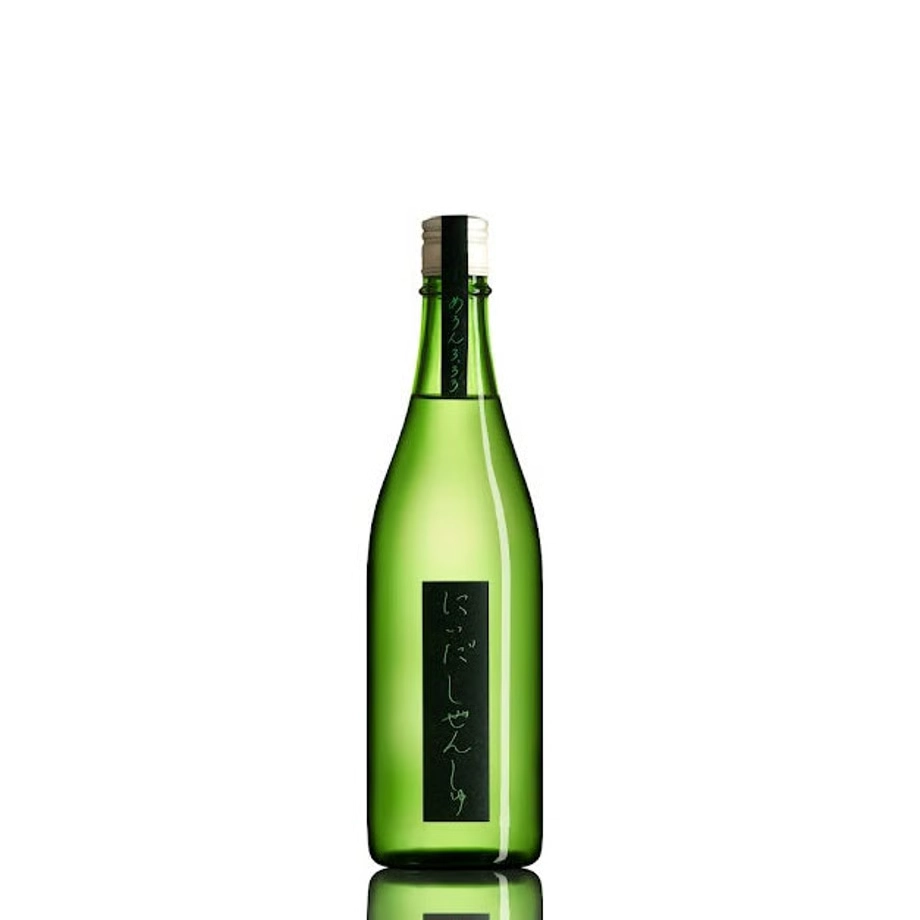
“Niida shizenshu Kimoto melon 3.33 Junmai Ginjo” – Niida shizenshu brewery
Located in Fukushima prefecture, the Tohoku area in Japan, Niida shizenshu brewery only produces natural sake.
This particular product uses 100% of Naturally Grown Rice (自然米) with KIMOTO style. (For more information about kimoto, see)
- Taste feature; clean and sweet taste similar to dessert wine
- Item Feature; Muroka Nama (No filtering and no pasteurization), rice polishing rate; 60%. Recommended for those who prefer a light and sweet taste
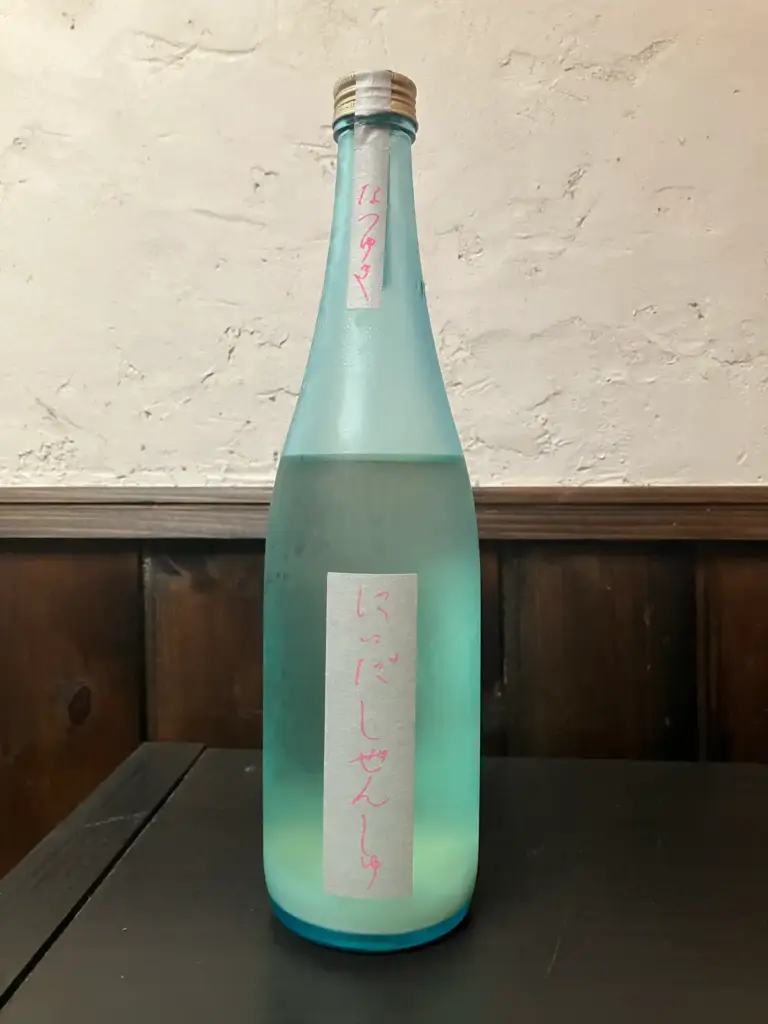
“Niida shizenshu Kimoto NATSUYUKI” – Niida shizenshu brewery
This bottle also uses 100% of Naturally Grown Rice (自然米) with no yeast added.
- Taste feature; clean and very natural taste and not as wild as other natural sake
- Item Feature; Junmai cloudy (nigori) sake, kimoto style, rice polishing rate;85%
Niida shizenshu brewery
Official website; https://1711.jp/
Online store (Available only in Japanese); https://niida1711.shop/
Address; 139 Takayashiki, Kanazawa Aza, Tamura Town, Koriyama City, Fukushima 963-1151, Japan
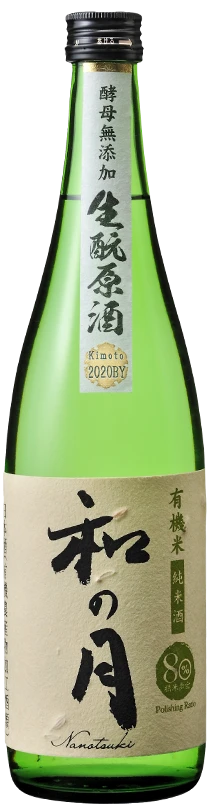
“Wanotsuki Organic rice Junmai” – Tsukinoi brewery
This organic sake is produced using organic rice called “Yamadanishiki (山田錦)” from Ibaraki prefecture and uses the kimoto method.
- Taste feature; Thick/Bitter Tasting Sake, has an afterburn, lingers in the mouth longer
- Item Feature; Kimoto & Undiluted sake (Genshu). Recommended to drink with soda. Goes well with smoked pickles.
“Wanotsuki Junmai Daiginjo” – Tsukinoi brewery
This also uses organic rice “Yamadanishiki (山田錦)” from Ibaraki prefecture, using the kimoto method and the no additional yeast method (酵母無添加).
- Taste feature; Smells like aged sake, and should experience fruity aroma with caramelised/bitter taste
- Item Feature; Kimoto managed with modern brewing techniques
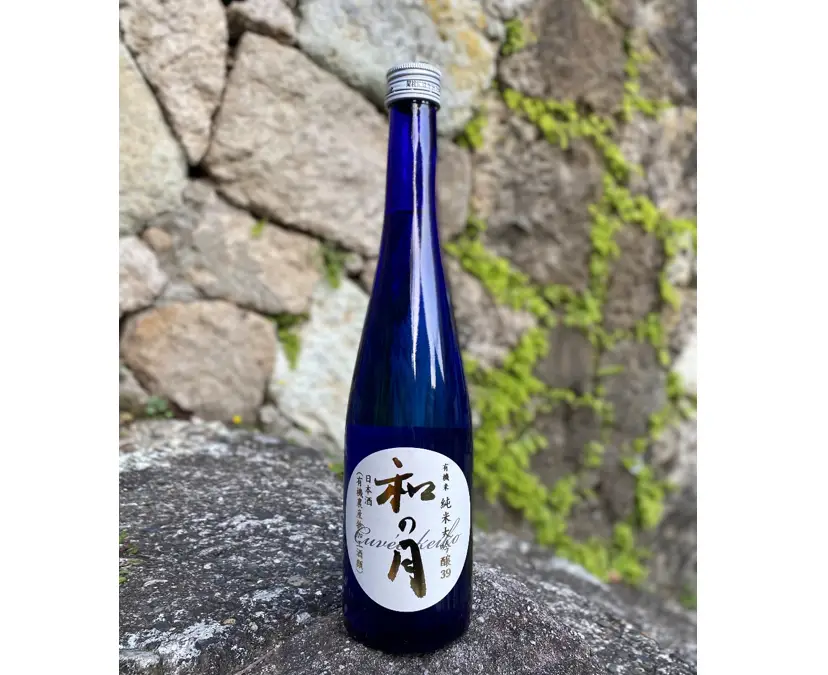
Tsukinoi brewery
Official website; https://tsukinoi.co.jp/english/
Online store (Available only in Japanese); https://shop.tsukinoi.co.jp/
Address; 638 Isohama-cho, Oarai-machi, Higashiibaraki-gun, Ibaraki-ken 311-1301, JAPAN
“Goninmusume” – Terada honke brewery
Terada honke brewery, which is located in Chiba prefecture, is well known for natural sake. Among their products, especially this natural Junmai sake “Goninmusume” is recommended for those who like funky, complex AND light, clean sake.
- Taste feature; very clean and pure taste and not as wild as other natural sake. tastes complex, but light
- Item Feature; natural sake, even using wild Koji (mold). Goes well with cheese
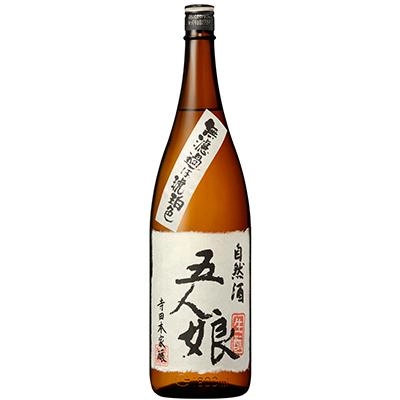
Terada honke brewery
Official website; https://www.teradahonke.co.jp/en/
Online store (Available only in Japanese); https://www.teradahonke.co.jp/fs/terada/c/goninmusume
Address; 1964, Kanzaki-Honjuku, Kanzaki-machi, Katori-gun, Chiba 289-0221, Japan
Natural sake using natural process
Natural sake does not necessarily mean that it always uses organic rice for sake making (could be Specially Cultivated Rice/特別栽培米), but they are produced using rice, koji (mold) and water with no yeast and additives.
“Shin・Tsuchida” – Tsuchida brewery
“Shin・Tsuchida” is produced only using rice, koji (mold) and water. Of course no distilled alcohol, saccharides or acidulants, nor any fermentation aids such as lactic acid, enzymes or any yeast are added, even those which are not required to be listed on the label. You should try this sake if you like a heavy, deep, wild and complex flavor.
- Taste feature; wild and funky, ricey and full bodied
- Item Feature; no yeast-added, deep and complex taste
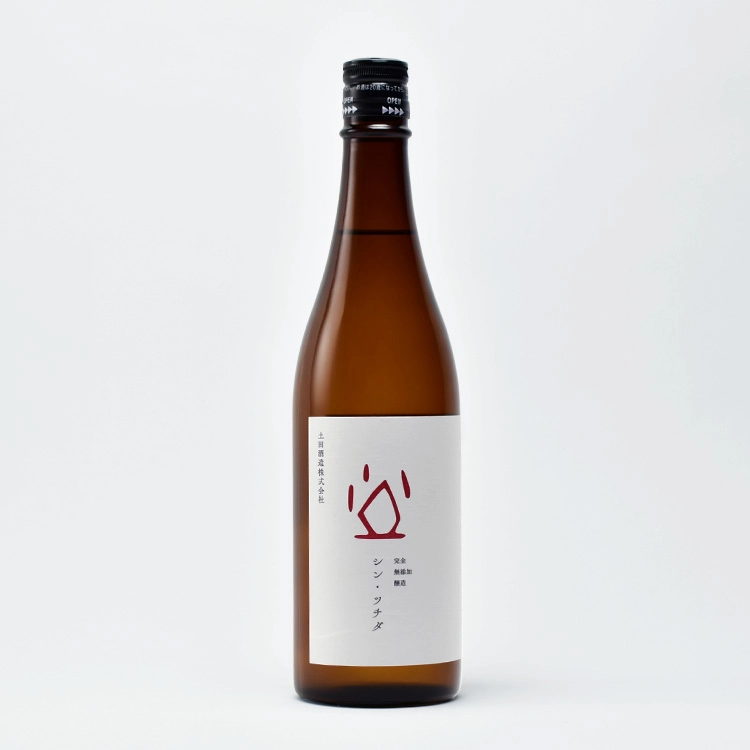
Tsuchida brewery
Official website; https://tsuchidasake.jp/
Online store (Available only in Japanese); https://cart.homare.biz/
Address; 2691 Yubara, Kawaba-mura, Tone-gun, Gunma-ken, 378-0102, Japan
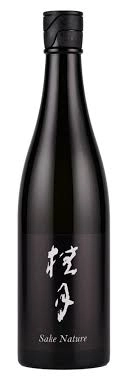
“Keigetsu” organic nature – Tosa brewery
This natural Junmai ginjo sake is produced using Specially Cultivated Rice and the kimoto method. Anyone who likes elegant sourness, with moderate aftertaste may enjoy this.
- Taste feature; Delicate Tasting Sake, Full aroma of steamed rice with fruity aroma like peach and muscat. The taste is super dry and sharp, with a light rice flavor, although the sense of rice is still present. The gap between the fruity aroma and the rice flavor is interesting.
- Item Feature; Kimoto managed with modern brewing techniques, sparkling
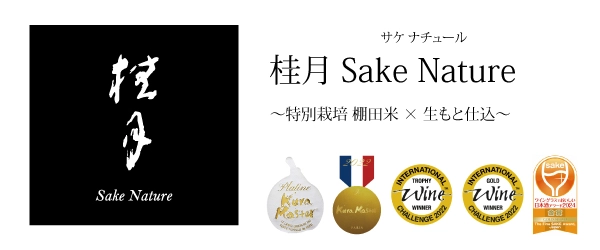
Tosa brewery
Official website; https://www.keigetsu.co.jp/products
Address; 418 Taino, Tosa-cho, Kochi 781-3521, Japan
Your Japan Trip Gets Better Once You Understand Sake
Start with Kyoto Insider Sake Experience in Fushimi.
Fushimi is Kyoto’s sake district — but simply visiting a bar or shop won’t help you understand which sake to choose or why it tastes the way it does.

At Kyoto Insider Sake Experience, you’ll join an expert-led sake tasting and food pairing session designed to help you taste with confidence. By comparing different styles side by side, you’ll clearly understand the differences in aroma, flavour, and structure — and discover what you truly enjoy.
This experience is the perfect introduction to sake at the beginning of your trip in Japan. Not just tasting sake, but learning how to choose it — anywhere, anytime.
Discover Japan’s real sake & food culture in Fushimi.