
You might have heard the saying, “Don’t visit Kyoto in summer.” It has become common wisdom among travelers, much like “Don’t underestimate winter in Chicago” or “Don’t visit Rome at noon in August.” The reasoning is simple: Kyoto sits in a basin surrounded by mountains, which traps heat and humidity throughout the summer months.
When planning a trip to Kyoto, most visitors have their sights set on the city’s famous shrines and temples. What many don’t realize, however, is that sightseeing often involves hours of walking under the sun with very little shade. By midday, the summer heat can feel overwhelming.
But what most travelers don’t know is that summer also brings out a different side of Kyoto. The crowds at major attractions are often smaller than during Spring and Autumn, the city comes alive with festivals and seasonal traditions, and some experiences are actually best enjoyed during the warmer months—including one that many visitors completely overlook.
This guide covers some of the best things to do in Kyoto during the summer – from iconic seasonal events to unique local experiences – along with a few ideas that can make your trip far more enjoyable.
How to Plan Your Day in Kyoto During Summer
Kyoto in summer is less about doing more—and more about planning your day carefully.
The heat and humidity can be intense, especially around midday, so structuring your day around the temperature makes a significant difference.
A simple approach works best:
- Start early and explore outdoor locations in the morning
- Take a break during the hottest hours with indoor activities
- Resume exploring in the evening, when temperatures begin to drop
Visiting popular spots such as Fushimi Inari early in the morning not only helps you avoid the heat, but also offers a quieter and more atmospheric experience.
By adjusting your pace, Kyoto becomes far more enjoyable—even at the peak of summer.
Experiences to Enjoy in Kyoto During Summer
Gion Matsuri – Kyoto’s Most Iconic Summer Festival
Gion Matsuri is one of Japan’s most famous and historic festivals, held throughout July and centered around Yasaka Shrine. Originating in 869 as a religious ceremony intended to avert epidemics, the festival has grown into Kyoto’s largest annual celebration. It is best known for the spectacular Yamaboko Junko (山鉾巡行) float processions held on July 17 and July 24, featuring enormous, beautifully decorated floats that showcase centuries of craftsmanship and tradition. In the evenings leading up to the processions, central Kyoto comes alive with traditional music, food stalls, and lively crowds, creating one of the city’s most vibrant cultural atmospheres. Drawing visitors from across Japan and around the world, Gion Matsuri offers a unique opportunity to experience Kyoto’s rich history, culture, and enduring traditions.
Kawadoko River Dining – Escape the Heat by the River
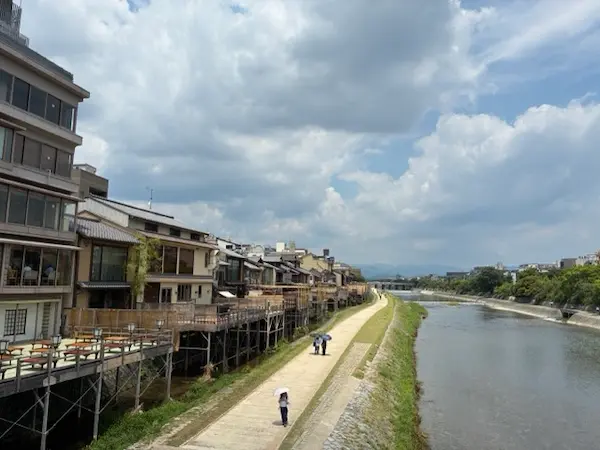
Most commonly associated with the Kibune area north of Kyoto, kawadoko dining has been practiced for centuries as a way to escape the summer heat. Guests enjoy seasonal Japanese cuisine while seated above flowing water, often with temperatures several degrees cooler than central Kyoto. The experience combines Kyoto’s culinary traditions with its natural beauty, making it one of the city’s most distinctive seasonal attractions and a popular activity between May and September.
Fushimi Inari – Best Experienced in the Early Morning
Exploring Fushimi Inari early in the morning during the summer offers a more comfortable and rewarding experience. Temperatures are significantly cooler before the midday heat and humidity, making it easier to enjoy the hiking trails. Early mornings also attract fewer visitors, allowing guests to walk through the iconic torii gate pathways in a quieter and more peaceful atmosphere. The soft morning light provides excellent photography opportunities, while the calm surroundings offer a greater appreciation of the shrine’s spiritual and cultural significance. An early visit also leaves plenty of time to explore other attractions in Kyoto throughout the rest of the day.
Jikkokubune Boat Ride – Explore Kyoto’s Waterways
For a more relaxed way to experience Kyoto’s waterways, the Fushimi Jikkokubune boat ride offers a scenic journey through Fushimi’s historic canals. During the summer, visitors can enjoy views of traditional buildings, willow-lined waterways, and the district’s famous sake breweries while learning about the area’s role as an important transportation hub during the Edo period.
Gozan no Okuribi Bonfire – A Summer Night Tradition
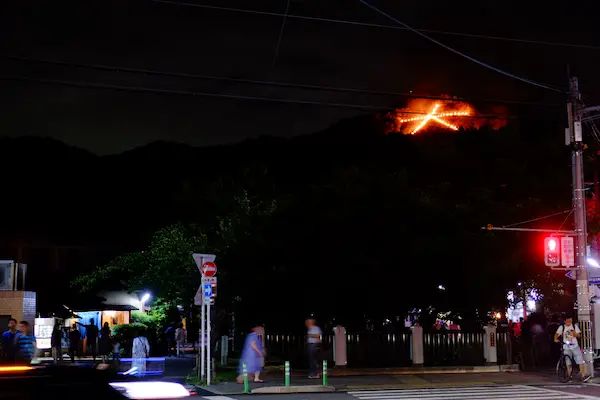
As summer reaches its peak, Kyoto hosts Gozan no Okuribi on August 16. During this centuries-old event, enormous bonfires are lit on the mountains surrounding the city, including the famous “Daimonji” character. The fires are traditionally believed to guide ancestral spirits back to the afterlife following the Obon holiday and create one of Kyoto’s most iconic summer night views.
Kakigori – Cool Down with a Refreshing Dessert
You cannot experience the real Kyoto summer without trying Kakigori, Japan’s beloved shaved ice. It consists of ultra-fine shaved ice topped with syrups, fruit, condensed milk, and/or other seasonal ingredients. The texture is incredibly light and airy, creating a refreshing and elegant dessert experience. If you haven’t had one before, imagine a snow cone but much softer.
Discover Sake Indoors – A Perfect Summer Experience
You might be wondering, “What about indoor activities in Kyoto during the summer?” One activity that has become very popular in recent years is sake tasting.
The Fushimi Sake District has been one of Japan’s most important sake regions for over 400 years. It’s known for smooth and sweet sake made possible with soft and pure underground water of Fushimi.
At Kyoto Insider Sake Experience, our guided tastings are designed to help you not only taste sake, but understand it. It also provides a welcome opportunity to step out of Kyoto’s afternoon heat while still experiencing an important part of Japanese culture.
Have you ever sat down at an izakaya and felt overwhelmed by the sake menu, unsure which bottle to choose? Or perhaps you’ve ordered a recommended sake only to discover it wasn’t quite to your taste.
Rather than relying on recommendations or guessing what to order, you’ll learn how to:
- recognize aroma and flavor differences
- understand sake categories
- identify your personal preferences
This transforms sake from something unfamiliar into something you can confidently enjoy throughout your trip.
All of our tours are led by English-speaking Kikizakeshi (certified sake sommeliers) who are passionate about sharing their knowledge of sake and are happy to answer questions at every level, from complete beginners to experienced enthusiasts. Held in our private tasting rooms, the experience guides guests through the fundamentals of sake, from understanding how it is made to learning how to read key information on Japanese sake labels. By the end of the tour, guests gain a deeper appreciation of sake and the confidence to select styles that suit their own tastes.
Why a Sake Experience Works So Well in Summer
Summer in Kyoto naturally shifts your travel style.
Instead of spending the entire day outdoors, it becomes more enjoyable to balance sightseeing with indoor, more immersive experiences.
A guided sake tasting fits perfectly into this rhythm.
You can sit down, take your time, and explore a wide range of flavors in a comfortable setting—turning a hot afternoon into one of the most memorable parts of your trip.
Summer is also a particularly interesting time for sake, as many breweries release natsuzake (summer sake), a seasonal style designed to be enjoyed chilled. Typically lighter, crisper, and sometimes lightly sparkling, these refreshing sake are crafted specifically for warmer weather and are only available for a limited time each year, making them a special treat for visitors exploring Japan during the summer months.
Final Thoughts
Kyoto in summer isn’t about doing more—it’s about choosing better.
By adjusting your pace and focusing on experiences that suit the season, you can turn what might seem like a challenging time to visit into something uniquely rewarding.
Whether it’s a festival, a quiet morning walk, or a relaxed indoor experience, summer offers its own way of experiencing Kyoto—one that feels slower, more intentional, and often more memorable.
FAQ – Visiting Kyoto in Summer
Your Japan Trip Gets Better Once You Understand Sake
Start with Kyoto Insider Sake Experience in Fushimi.
Fushimi is Kyoto’s sake district — but simply visiting a bar or shop won’t help you understand which sake to choose or why it tastes the way it does.

At Kyoto Insider Sake Experience, you’ll join an expert-led sake tasting and food pairing session designed to help you taste with confidence. By comparing different styles side by side, you’ll clearly understand the differences in aroma, flavour, and structure — and discover what you truly enjoy.
This experience is the perfect introduction to sake at the beginning of your trip in Japan. Not just tasting sake, but learning how to choose it — anywhere, anytime.
Discover Japan’s real sake & food culture in Fushimi.
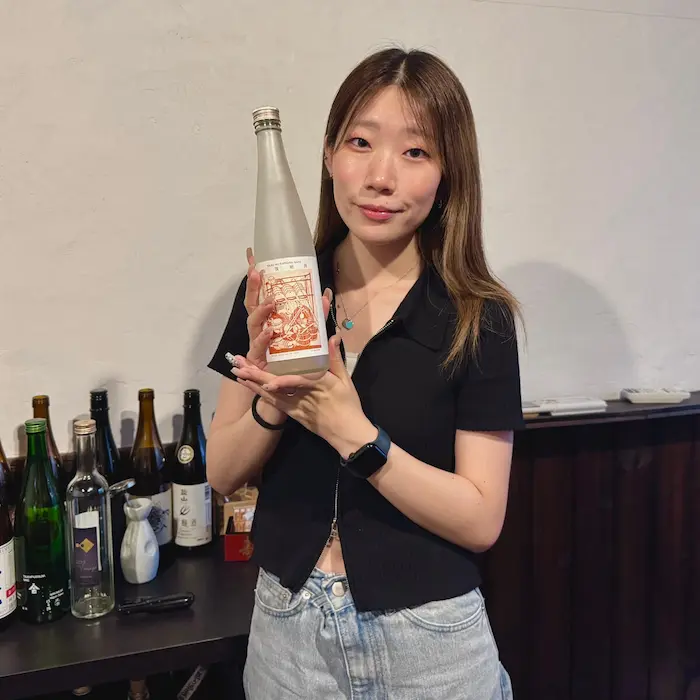
Written by Mai, a sake tour guide
Qualifications: Sommelier of sake
About me:
I was born and raised in Japan until the age of 12 and ever since then I’ve lived overseas.
I absolutely love meeting new people and now as a sommelier of sake, I strive to share the deep culture and history of sake with as many people as I can. My wish is to help those who joins our sake tasting tour to find their favorite!