
We would like to report on our visit to Tsuki no Katsura sake brewery in Fushimi, Kyoto. From this complete guide, learn its history, brewing methods, tasting highlights, and what to expect when you visit.
Visiting the Masuda Tokubee Shoten “Tsuki no Katsura” Sake Brewery
— A Long-Awaited Tour Comes True
“Tsuki no Katsura,” a beloved sake brand long cherished in Fushimi, Kyoto, has always held a special place in our hearts. After enjoying many of their expressions over the years and falling in love with their flavors, we finally had the opportunity to visit the producer itself—Masuda Tokubee Shoten. For us, this brewery tour was truly a long-awaited moment.
History — The Story of “Tsuki no Katsura” Told by the Head of the Brewery
Founded in 1675, Masuda Tokubee Shoten is celebrating its 350th anniversary this year. The brewery is located near the port in the Toba area of Fushimi, Kyoto, a site that once flourished as a logistics hub, transporting stone all the way to Nijo. At its founding, the business operated both as a rice shop and a sake brewery.
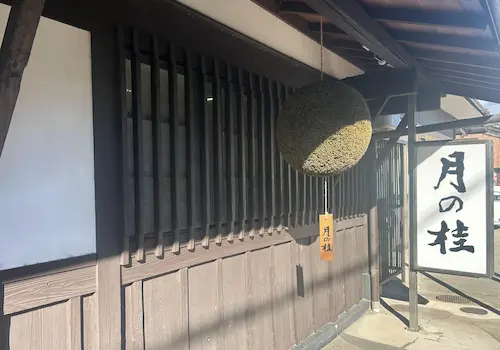
Now, the main house, which also serves as the office and shop, and the brewery building stand facing each other across the road, each marked by a magnificent sugidama. Their dignified presence seems to symbolize the long history and meticulous craftsmanship behind the sake, heightening our anticipation even before we stepped inside.
For generations, the head of the family has inherited the name “Masuda Tokubee,” passing down not only the name but also the spirit of the family business and the values of family life. Standing before such a long history, one cannot help but feel the weight of tradition and the strength of the convictions that have been carried through the ages.
In 2022, the 14th head passed the baton to his son, the 15th generation.
We were fortunate to have the opportunity to speak directly with Mr. Masuda Tokubee, the 14th head of the brewery. He carries the dignity and presence befitting the master of a historic sake brewery, yet the way he elegantly wears his bow tie adds a subtle touch of warmth and charm.
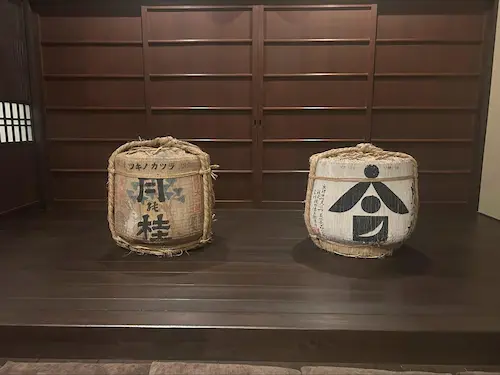
The story begins with the origin of the brewery’s signature brand, Tsuki no Katsura. Its name is said to derive from a poem about the moon, composed by an aristocrat who frequently visited the brewery in the late Edo period, as well as from the “Katsura” tree believed to grant longevity and found on the moon. Japan also has a long-held folk belief that a rabbit lives on the moon, and this motif has been woven into the brand’s identity over generations. The current logo carries that playful spirit as well: when turned upside down, a rabbit with long ears emerges.
The brewery first gained widespread attention under the 13th head. In 1965, it became the first in Japan to produce sparkling nigori sake, a groundbreaking innovation that quickly made headlines nationwide. By 1975, the brewery had also released a 10-year aged sake, demonstrating a unique balance between tradition and innovation.
The sparkling nigori sake naturally develops bubbles through secondary fermentation in the bottle. When opened, the pressure can cause it to gush out like champagne. Because no special adjustments are made during production, the intensity of the carbonation varies depending on the batch. At the time of its initial release, many consumers were surprised by these variations and complaints were frequent. Today, however, such natural fluctuations are increasingly appreciated as a hallmark of authentic craftsmanship.
Inside the Brewery — Experiencing Traditional Craftsmanship and the Living Breath of Fermentation
Escorted by Mr. Kishida, after changing into slippers at the entrance, we stepped into the heart of the brewery. Today, only four brewers work here, carrying on the tradition and hands-on craftsmanship within a compact team.
As a brewery based in Fushimi, their policy is to use as much rice from Fushimi and Kyoto as possible. They mainly work with Kyoto-grown Iwai and Yamadanishiki. Production takes place only during the winter months. Brewers note that ginjo-class sake is crafted during the coldest stretch of the season—typically from January to February.
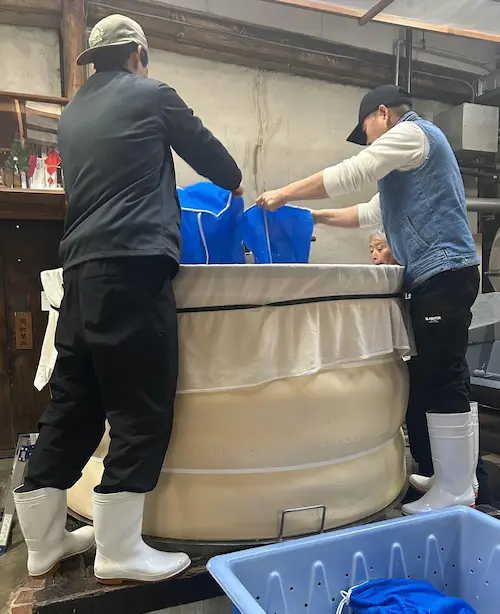
The first thing that caught our eyes was the large koshiki used for steaming rice. Although a boiler system is now used, we were told that until recently the rice had been steamed by lighting a burner beneath the vessel. On this particular day, we were able to observe the brewers preparing the rice for the next day’s production.
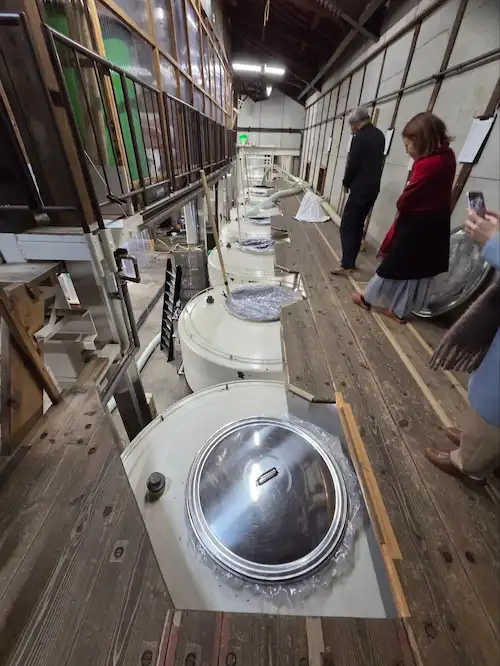
As we continued through the brewery, we came upon the fermentation room. On this visit, we were given the special opportunity to climb up to the top of the tanks. Without hesitation, Mr. Kishida opened the lid of one of the tanks, stirred the mash with a kai paddle, and allowed us to look inside. The moromi (mash) fermentation was in full swing, the surface bubbling vigorously. Watching the sake seem to “breathe,” almost like a living creature, was utterly captivating. A gentle ginjo aroma drifted up from the tank, making the experience all the more memorable.
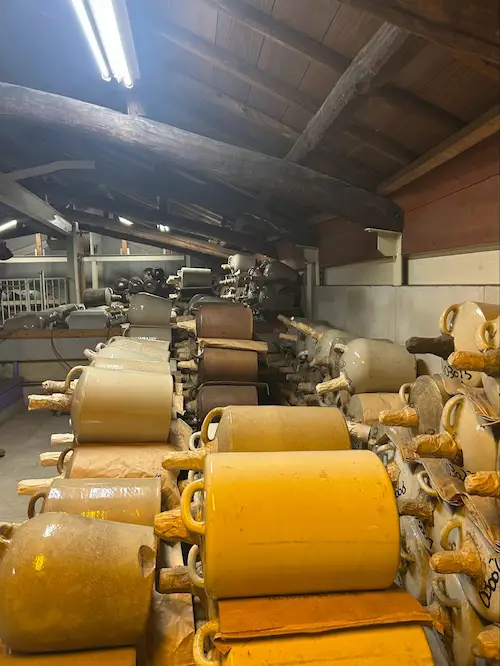
In the attic room we visited next, rows of aging jars sat quietly. These ceramic vessels—some made from Shigaraki ware—hold sake aged for more than 20 years, and in some cases over 50 years. Standing before them, we couldn’t help but imagine the flavors and aromas that have been nurtured over such long periods.
A Special Tasting in the Main House — The Head Brewer Shares the Flavor and Its Story
When we returned to the main house, we were once again greeted by the 14th head, Mr. Tokubee Masuda. To our surprise, he personally poured each sake for us to taste. It was an honor beyond words.
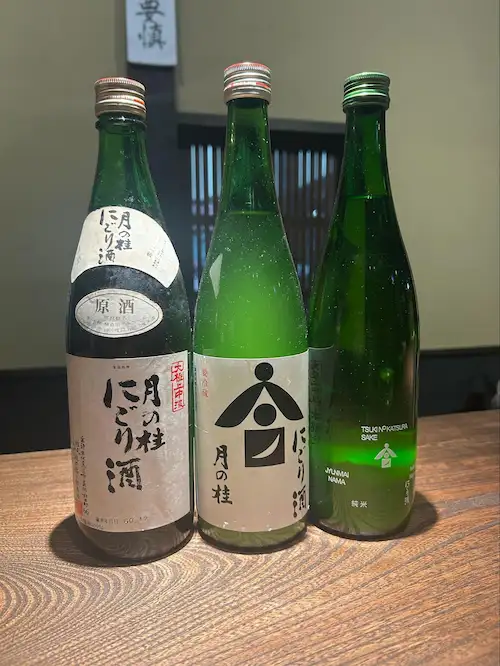
The first sake we sampled was the brewery’s signature “Junmai Nigori Sake Sparkling Nama”(Current designed bottle on the far right). It is also one of the most popular selections on our sake tours. The gentle richness and faint bitterness characteristic of nigori sake, combined with its fine, delicate bubbles, create a finish that can only be described as a “rice champagne.”
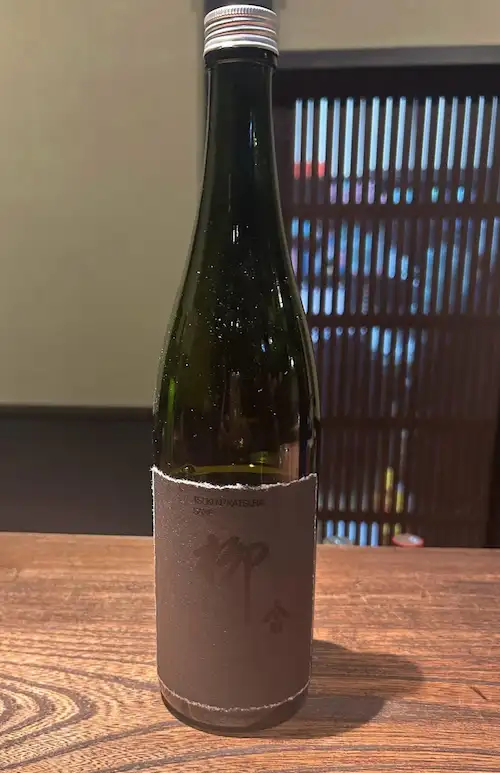
Next, we were served Yanagi, a junmai sake made with Kyoto-grown Yamadanishiki rice. It was beautifully balanced and versatile enough to pair well with a wide range of dishes.
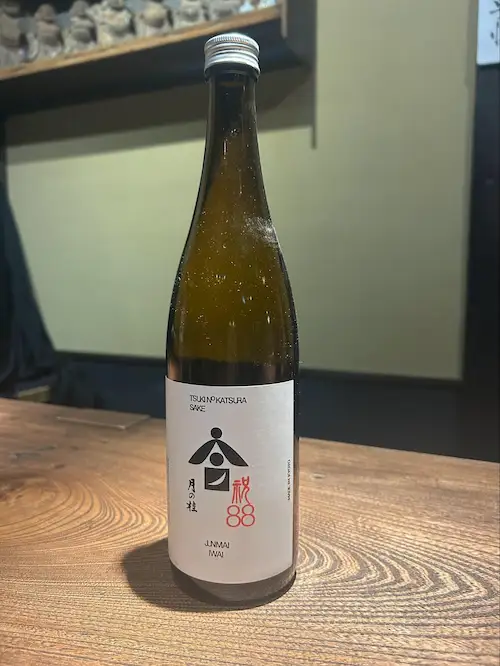
We then tried Iwai 88, brewed with Kyoto’s local Iwai sake rice polished to 88%. It opens with a gentle aroma reminiscent of bitter chocolate, caramel, and ripe banana. The palate is full and expressive, finishing elegantly and smoothly.
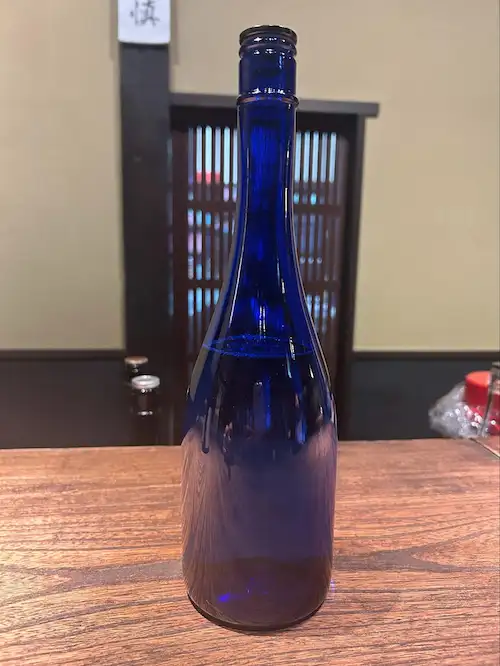
The final sake was Kasegigashira, another junmai. Remarkably, it had been pressed on the very same day—fresh from the brewery (Not yet labeled!). Its fruit-like acidity and natural sweetness from the rice were beautifully balanced, and above all, its freshness was striking. The saying “Freshly pressed sake is the best” could not have felt more true at that moment.
The Warmth of the People Who Sustain 350 Years of Tradition
At the end of our visit, we were kindly escorted out by Mr. Kishida, who guided us through the brewery, and by Mr. Masuda himself. From beginning to end, we were surrounded by genuine hospitality, making the tour unforgettable.
Although we were initially nervous to meet the head of such a long-standing brewery, Mr. Masuda proved to be exceptionally approachable. His gentle smile and warm, steady manner left a strong impression. Despite carrying the weight of a 350-year legacy, his demeanor is graceful, sincere, and deeply human.
Meeting him and other brewers there reminded us of a simple yet profound truth—It is ultimately “people” who shape the taste of sake—a truth that feels obvious, yet is remarkably profound. It was a moment to reflect on and truly appreciate that depth.
| Name of Brewery | Masuda Tokubee Shoten |
| Region / District | Fushimi, Kyoto |
| Opening Hours | 9:00 – 17:00 |
| Website | tsukinokatsura.co.jp |
| Shop / Purchases | Available |
| Tasting | Available |
| Guided Tours | Generally, no |
| English Support | Generally, no |
| Reservation | Recommended |
| Notes | Sake is available for purchase and tasting in the main building, but it’s advisable to make a reservation before visiting. |
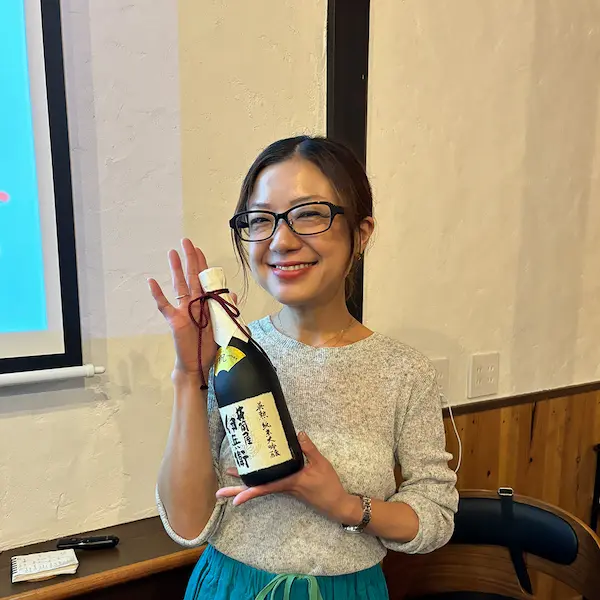
Written by Kiyomi, a sake tour guide
Qualifications: Sommelier of sake
About me:
When I lived abroad, I enjoyed wine, but after returning to Japan, I became completely fascinated with sake. Sake has incredible depth. Through the tour, I hope to provide an opportunity to experience Japanese culture through sake and help create wonderful memories of your time in Japan.
Your Japan Trip Gets Better Once You Understand Sake
Start with Kyoto Insider Sake Experience in Fushimi.
Fushimi is Kyoto’s sake district — but simply visiting a bar or shop won’t help you understand which sake to choose or why it tastes the way it does.

At Kyoto Insider Sake Experience, you’ll join an expert-led sake tasting and food pairing session designed to help you taste with confidence. By comparing different styles side by side, you’ll clearly understand the differences in aroma, flavour, and structure — and discover what you truly enjoy.
This experience is the perfect introduction to sake at the beginning of your trip in Japan. Not just tasting sake, but learning how to choose it — anywhere, anytime.
Discover Japan’s real sake & food culture in Fushimi.