
Fushimi Sake District – The Heart of Kyoto’s Sake Culture
Located in southern Kyoto, the Fushimi Sake District is often described as one of Japan’s most important sake regions.
For more than 400 years, brewers have gathered here, drawn by exceptional underground water and a thriving culture of craftsmanship. Over time, water, people, and history have come together to shape a district where sake brewing is still part of daily life.
To understand Kyoto’s sake culture is, in many ways, to understand Fushimi itself.
What Is the Fushimi Sake District?
The Fushimi Sake District refers to the historic brewing area in southern Kyoto where many of the city’s most influential sake breweries have been located for centuries.
Even today, the neighborhood remains one of Japan’s most active sake brewing communities.
Kyoto’s Southern Brewing Hub
Fushimi became Kyoto’s primary brewing center thanks to its location along historic trade routes and its proximity to Kyoto’s political and cultural heart.
A Town Built on Water, Trade, and Craft
For centuries, Fushimi functioned as an important port town along the Yodo River system.
Water transport, merchant activity, and skilled brewers helped establish the foundations of the area’s sake industry.
A Living District Where History Brews Every Day
Unlike many historic districts, Fushimi is not a preserved museum.
Many breweries continue to operate here today, maintaining traditions that have been passed down for generations.
The Water of Fushimi – The Secret Behind Its Sake
One of the most important reasons for Fushimi’s long brewing tradition is its exceptional underground water.
For centuries, brewers have relied on the region’s abundant springs, which produce a distinctive style of sake known for its smooth texture and gentle character.
Underground Springs and Soft Water
Fushimi’s groundwater is known for being soft and mineral-balanced, creating sake with a rounded mouthfeel and delicate aroma.
This softer water contributes to the elegant, approachable style that Kyoto sake is famous for.
Why Water Quality Matters in Brewing
Water is the primary ingredient in sake, influencing fermentation speed, aroma development, and overall texture.
In Fushimi, the composition of the water allows brewers to produce sake that emphasizes clarity, balance, and subtle umami.
Famous Water Spots
The connection between water and sake culture can still be experienced today at places like Gokōnomiya Shrine, where visitors can taste the famous spring water known as Gokōsui.
Such sites highlight how closely the identity of Fushimi sake is tied to its natural water sources.
History of Sake Brewing in Fushimi
The history of sake brewing in Fushimi stretches back more than four centuries.
Over time, the district developed into one of Japan’s most important brewing centers, supported by water, transportation, and a growing community of skilled brewers.
400 Years of Brewing Heritage
By the Edo period, Fushimi had already established itself as a major sake-producing area.
Generations of brewers refined techniques and built a reputation for producing high-quality sake that was widely distributed across Japan.
Fushimi as a Port Town
Fushimi’s location along the Yodo River waterway made it a vital transportation hub connecting Kyoto with Osaka.
Sake could be shipped efficiently by boat, helping the region’s breweries expand their reach and influence.
From the Meiji Era to Modern Times
During the modern era, breweries such as Gekkeikan introduced new brewing technologies and expanded distribution, while others like Kizakura developed distinctive cultural identities.
Craft-focused producers such as Matsumoto Shuzo continue to represent the craftsmanship and heritage that define Fushimi today.
How Many Sake Breweries Are in Fushimi?
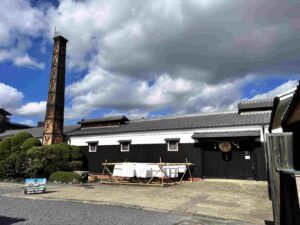
Fushimi is home to more than a dozen sake breweries, making it one of the most concentrated brewing districts in Japan.
Large historic producers such as Gekkeikan and Kizakura operate alongside smaller, craft-oriented breweries like Fujioka Shuzo and Masuda Tokubee Shoten. Together they form a dense network of producers that continue to shape Kyoto’s sake culture.
Because not all breweries are open to the public, visitors often experience the district through a combination of museums, tasting facilities, and walking through the historic brewery streets.
For a complete overview of the breweries located in the district, see the Kyoto Sake Brewery Guide.
Fushimi’s Sake Breweries – Overview
Fushimi is home to many of Kyoto’s most influential sake breweries.
Rather than listing every brewery in detail here, this section provides a quick overview of the district’s brewing landscape.
From historic large-scale producers to smaller craft-focused breweries, these producers together define the character of the Fushimi Sake District.
(For detailed profiles of each brewery, see the Kyoto Sake Brewery Guide.)
Gekkeikan
One of Fushimi’s most iconic breweries, combining a long brewing history with the Gekkeikan Ōkura Sake Museum, where visitors can explore the tools and traditions of sake making.
→ [Read more about Gekkeikan Okura Sake Museum]
Kizakura
A modern brewing complex that blends sake production with exhibits, dining, and craft beer culture, making it one of the most accessible brewery destinations in Fushimi.
→ [Read more about Kizakura Fushimigura]
Matsumoto Shuzo
Known for its elegant architecture and dedication to craftsmanship, Matsumoto Shuzo represents the refined artisanal side of Kyoto brewing.
Smaller Craft Breweries
Alongside these well-known producers, smaller breweries such as Fujioka Shuzo, Saito Shuzo, and Masuda Tokubee Shoten contribute their own distinct character to the district.
→ See detailed brewery profiles in the Kyoto Sake Brewery Guide
→ Discover more – Introduction to Fushimi Sake, one of the three major sake breweries in Japan
Fushimi Sake Museums & Heritage Sites
Beyond the breweries themselves, several locations in Fushimi offer visitors a deeper understanding of the district’s sake culture and history.
Gekkeikan Ōkura Sake Museum
One of Japan’s best-known sake museums, featuring historical brewing tools, production methods, and a tasting experience that introduces visitors to the foundations of Fushimi sake.
→ [Read more about Gekkeikan Okura Sake Museum]
Kappa Country Exhibits (Kizakura)
A more casual and interactive setting where visitors can explore displays related to sake brewing while enjoying food, drinks, and local culture.
→ [Read more about Kizakura Kappa Country]
Water & Shrine Culture
Sites such as Gokōnomiya Shrine highlight the deep relationship between sacred spring water and Fushimi’s sake Water & Shrine Culture
Sites such as Gokōnomiya Shrine highlight the deep relationship between sacred spring water and Fushimi’s sake brewing traditions. The shrine is known for its famous spring water, Gokōsui, which has been valued for centuries.
In Fushimi, water is not only essential for brewing but also closely tied to local culture and belief. Visiting these sites offers a direct glimpse into the natural foundation of the district’s sake.
→ [Read more about Gokōnomiya Shrine ]
How to Explore Fushimi Sake District – Suggested Itinerary
One Day Itinerary
A day in Fushimi is best experienced slowly—walking between water, history, and sake.Here is a model route that combines local culture, food, and sake tasting.
Morning – Water, Shrines, and Quiet Streets
Start your day at Gokonomiya Shrine, known for its famous spring water that has long been associated with sake brewing in Fushimi.
From there, walk toward the canal area and take in the peaceful atmosphere of the district. If timing allows, the Fushimi Canal Boat Ride offers a gentle way to experience the town from the water, following the same waterways once used to transport sake.
For a short break, stop by Tsuki no Toki Cafe, a small local café where you can ease into the day with coffee and a quiet view of daily life in Fushimi.
Lunch – Local Flavor in Fushimi
Head to Torisei Main Store, a long-loved local restaurant known for its yakitori and dishes that pair naturally with sake.
The restaurant is run by a sake brewery, making it one of the best places to experience how Kyoto cuisine and sake come together in everyday life.
Alternatively, Tsuki no Kurabito, operated by Gekkeikan, offers a more traditional dining experience with dishes designed to pair with sake.
Afternoon – Culture, History, and Sake
After lunch, explore the surrounding streets, where historic brewery buildings still line the canals.
Stop by Fushimi Yume Hyaku Shu, a casual spot where you can taste a variety of local sake and get a sense of the diversity of Fushimi’s breweries.
If you have time, walk toward Fushimi Momoyama Castle. During cherry blossom season, the area becomes one of Kyoto’s quieter and more atmospheric hanami spots.
Late Afternoon – Deepen Your Sake Experience
By this point, you’ve seen the place where sake is made.
Now is the time to understand it.
A guided tasting experience allows you to connect what you’ve seen—water, breweries, and streets—with what you taste in the glass.
→ Explore Kyoto Sake Tasting Experiences (KISE)
Short Visit: 2-Hour Fushimi Sake Walk
If you have limited time, Fushimi can still be experienced through a short walk that captures its essential atmosphere—water, history, and sake
Start – Gokonomiya Shrine
Begin at Gokonomiya Shrine, where the famous spring water (Gokōsui) has long been associated with sake brewing.
This is the quickest way to connect with the origin of Fushimi’s sake culture.
Walk – Canal Area
Head toward the canal district and walk along the riverside paths.
The traditional buildings and quiet streets give a strong sense of Fushimi’s identity as a brewing town.
Quick Stop – Fushimi Yume Hyaku Shu
Stop at Fushimi Yume Hyaku Shu for a short tasting.
It’s one of the easiest places to try multiple local sake in a limited amount of time.
Optional Break – Tsuki no Toki Cafe
If you have time, take a short break at Tsuki no Toki Cafe for coffee or light refreshments before heading back.
A Focused Sake Tasting
If you’d like to deepen your experience within a limited time, a 1.5-hour guided sake tasting can add valuable context to what you’ve seen.
Even within a short session, you can compare different styles and better understand the character of Fushimi sake through expert guidance in a calm setting.
For Sake Lovers: A Deeper Fushimi Experience
For those who want to go beyond sightseeing, Fushimi offers a deeper experience where sake becomes the main focus.
Start – Brewery Context
Begin with a visit to a museum-style facility such as Gekkeikan Ōkura Sake Museum, where you can understand the fundamentals of sake brewing and Fushimi’s history.
Explore – Brewery District
Walk through the brewery area, observing traditional buildings and the layout of the district.
Stop at Fushimi Yume Hyaku Shu or similar spots to compare different styles of sake.
Lunch – Torisei Main Store
Enjoy lunch at Torisei Main Store, where sake and food are designed to complement each other.
This is an essential step in understanding how sake is actually enjoyed in daily life.
For a different perspective, Tsuki no Kurabito, operated by Gekkeikan, offers a setting where sake can be experienced alongside thoughtfully paired dishes, reflecting how it is enjoyed in a more traditional context.
Finish – Guided Tasting Experience
To fully understand what you’ve seen, a guided tasting is essential.
Rather than simply drinking, you’ll compare styles, learn about brewing methods, and connect flavor with place.
Fushimi Today – A Blend of Tradition and Daily Life
Fushimi is not only a historic brewing district but also a living neighborhood where tradition and everyday life coexist.
Breweries Operating in a Modern City
Historic breweries continue to operate within a contemporary urban environment, maintaining centuries-old traditions alongside modern production methods.
Cafés, Small Shops, and Riverside Paths
Visitors can discover small cafés, local shops, and scenic walking paths along the canals, giving the district a relaxed and welcoming atmosphere.
Where to Taste Sake in Fushimi
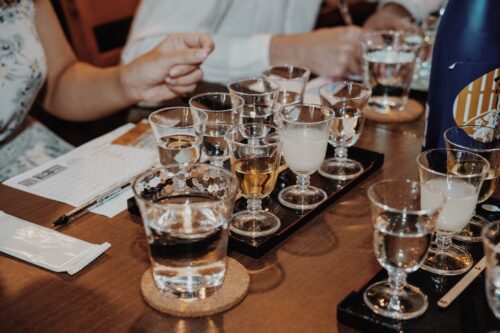
For many visitors, the highlight of Fushimi is the opportunity to taste sake in the place where it is brewed.
Bar & Tasting Spots
The district offers a variety of tasting locations, from casual local bars to specialty sake shops that showcase Kyoto breweries.
Guided Tastings for Deeper Understanding
Guided tasting experiences provide a deeper understanding of sake styles, brewing techniques, and food pairings.
→ Explore Kyoto Sake Tasting Experiences (KISE)
Practical Information
Before visiting the Fushimi Sake District, it helps to understand a few practical details about transportation, opening hours, and what to expect when exploring the area.
Access
Fushimi is located in southern Kyoto and is easy to reach from the city center.
The district is typically accessed via the Keihan Main Line, with stations such as Chushojima, Fushimi-Momoyama, and Tambabashi serving as convenient starting points for exploring the brewery area.
From Kyoto Station, the trip usually takes 15–25 minutes depending on the route.
Opening Hours
Most museums, tasting facilities, and brewery-related attractions in Fushimi are open during the daytime, typically between late morning and late afternoon.
Individual breweries may have different schedules, and some facilities close earlier than typical tourist attractions.
Checking official websites in advance is recommended.
Things to Know Before Visiting
While Fushimi is one of Japan’s most visitor-friendly sake districts, a few things are helpful to keep in mind.
- Not all breweries offer public tours.
- Tastings may be limited or require reservations.
- Some smaller breweries have limited English support.
- Weekends and holidays can be significantly busier than weekdays.
Planning ahead helps visitors enjoy the district at a relaxed pace.
FAQ about the Fushimi Sake District
- Is Fushimi easy for international visitors?
-
Yes. The district is relatively easy to explore, and several museums and tasting facilities provide basic English explanations. Lots of them are within a walking distance.
- Is it enjoyable for beginners to sake?
-
Absolutely. Many visitors start learning about sake in Fushimi because museums and guided tastings introduce the basics in an accessible way.
- Can all breweries be visited?
-
No. Some breweries offer museums or tasting facilities, while others operate as working production sites that are not open to the public.
- Are sake bars open late at night?
-
Fushimi is quieter than central Kyoto nightlife areas.
Many places close in the early evening, although some restaurants and bars remain open later. - Do tastings require reservations?
-
It depends on the location.
Museums and casual tasting spots often allow walk-in visitors, while guided tasting experiences usually require advance reservations.
Why Understanding Fushimi Enriches Sake
Fushimi can be thought of as a layered landscape of sake culture.
Water, land, history, and generations of brewers have shaped the district over centuries. Each element contributes to the character of the sake produced here.
When visitors come to understand the place where the sake is made—the water sources, the streets, and the brewing traditions—the experience of tasting sake changes. It becomes not only a matter of flavor, but also a connection to the story behind the drink.
→ Explore more in the Sake 101 Guide and the Kyoto Sake Brewery Guide
Recommended: Sake Tasting After Your Visit to Fushimi
Visiting the Fushimi Sake District shows you where sake is made and how it has been produced in Kyoto for centuries.
However, what it often does not provide is the opportunity to taste widely, compare styles, and understand how differences in water, rice, and technique appear in the glass.
At Kyoto Insider Sake Experience, guided tastings bridge that gap.
In a calm, private setting, certified sake specialists guide you through carefully selected sake, helping you connect what you experienced in Fushimi with what you taste.
1.5H Sake Tasting Experience
The 1.5-hour experience offers a well-balanced introduction with seven thoughtfully selected sake and food pairings, guided by certified sake specialists.
Held in a calm, private tasting space, it is the most popular option for visitors who want a clear and refined introduction to Kyoto sake.
3-Hour Sake Tasting + Brewery Experience
The 3-hour experience is a more educational, in-depth program designed for those who want to understand how Kyoto sake is made and why it tastes the way it does.
It includes visits to a brewery or museum, a step-by-step explanation of brewing techniques, and a guided tasting of up to 10 sake with food pairings.
This format allows you to move from observation to understanding—connecting production, history, and flavor into a clear framework.
After walking through Fushimi, this is where Kyoto sake becomes clear—and memorable.
Explore More
→ 1.5H Sake Tasting Experience
→ 3-Hour Sake Tasting + Brewery Tour