
Wondering if the Gekkeikan Okura Sake Museum is worth visiting in Kyoto? Here’s what to expect, what makes it unique, and how to get the most out of your visit.
As sake guides of Kyoto Insider Sake Experience who visit the Gekkeikan Okura Sake Museum almost every day with our guests, we have come to understand not only how the museum is laid out, but how visitors experience it in practice. In this article, we share practical insights and context drawn from that experience—details that go beyond basic information, and help you get more out of your visit.
If you’re wondering whether to visit on your own or with a guide—and how to get the most out of your time there—the following guide is designed to help you decide.
How to Get to Gekkeikan Okura Sake Museum
Gekkeikan Okura Sake Museum is located about a six-minute walk from Keihan Chūshojima Station. A sugidama—the traditional cedar ball that symbolizes sake brewing—hangs at the entrance, making the museum easy to spot.
Most visitors spend around 40 to 60 minutes exploring the museum, including the video presentation, exhibition rooms, and sake tasting.
The Museum Walk
Front Desk and Reception
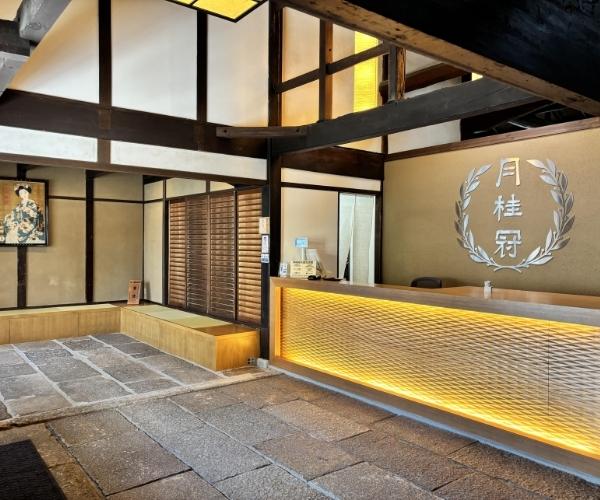
Tickets for entry to the museum can be purchased at the reception desk upon arrival. After purchasing your ticket, you will receive a souvenir ochoko (sake cup) and three tasting tokens. A small seating area is available near the entrance, making it a convenient spot for a short rest before beginning your visit.
There is no cloakroom, so visitors are asked to keep personal belongings with them. However, heavy or oversized luggage can be stored at the reception upon request.
Video Hall
Just beyond the reception area, a short PR video with English subtitles introduces Gekkeikan’s sake brewing. Running approximately 13–14 minutes, the video outlines both traditional production methods and modern techniques, providing helpful context before entering the exhibition rooms.
Exhibition Room (Gekkeikan’s History and Sake Culture)
The museum’s exhibition space is divided into two main rooms, each offering a different perspective on Gekkeikan and sake culture.
South Exhibit Room – Gekkeikan’s History
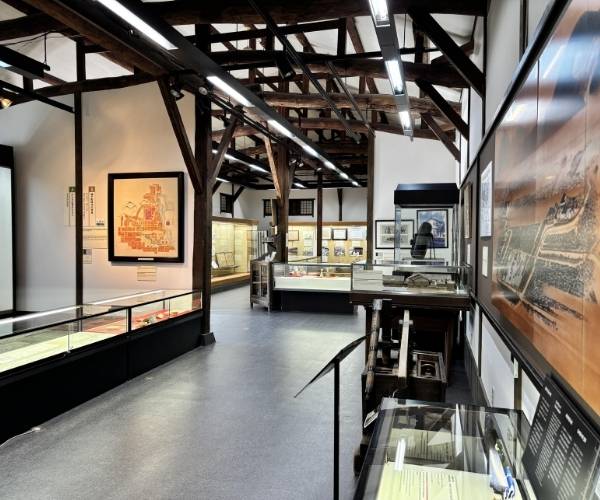
The South Exhibit Room focuses on the history of Gekkeikan and its development as one of Japan’s leading sake breweries. Founded in 1637 by Jiemon Okura under the name Kasagiya, the brewery began as a small local sake shop. During the Meiji era, innovations introduced by the 11th-generation head, Tsunekichi Okura—such as Japan’s first sake research laboratory and the early adoption of bottling—helped transform Gekkeikan into a modern, large-scale producer. Historical artifacts, including roof tiles and a fire pump bearing early versions of the brewery’s logo, provide a tangible link to this long history.
North Exhibit Room – Sake Brewing and Production
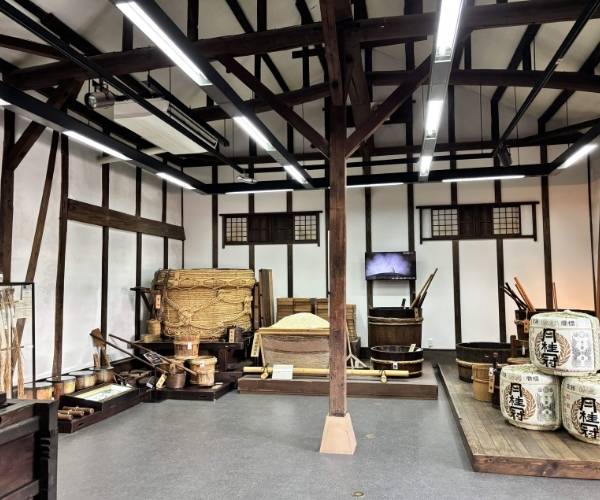
The North Exhibit Room introduces the traditional tools and techniques used in sake making, including a rice steamer, sake press, and cedar fermentation tanks. Video displays show real footage of the brewing process—from rice washing and steaming to koji preparation—while additional screens near the moromi tanks explain the fermentation stage. Together, these exhibits offer a visual introduction to how sake is brewed and help visitors imagine the production process behind the sake they later taste in the glass.
Tasting Area
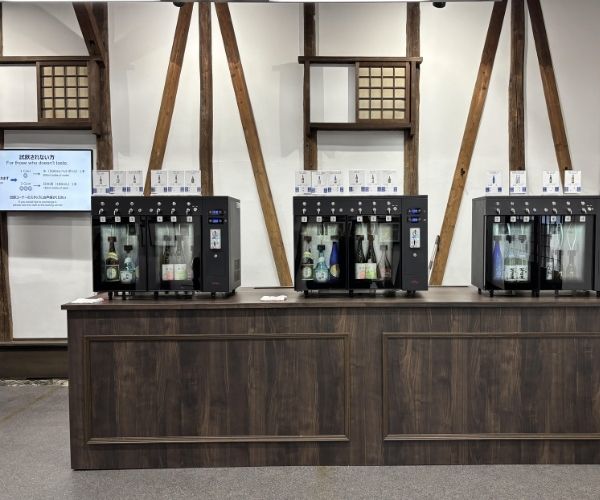
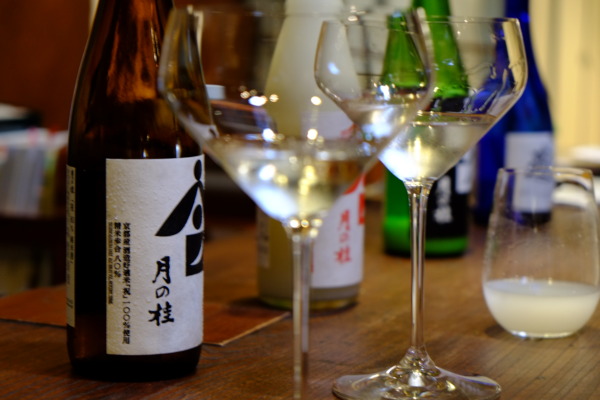
The tasting area features three automated sake dispensers offering a total of 10 different sake selections, along with casual standing tables where you can enjoy your samples.
You may choose any three sakes to taste.
If you’d like to try more, additional samples are available for ¥100 per coin.
There is a clear information sheet explaining each sake’s style, aroma, and flavor profile—perfect if you’re not sure where to start. From time to time, you may even encounter limited or shop-exclusive bottles available only at Gekkeikan’s museum shop.
Recommended Sake From the Tasting Area
Chosen by Kyoto Insider Sake Experience Sommeliers
Retro Bottle Ginjo Sake
Brewed using the four-stage brewing method, this ginjo sake delivers a sweet, rich flavor profile. First introduced in 1910 during the Meiji era, it featured an innovative design for its time- a small bottle with an attached cup. Known as “station-sold sake.”, as Japan’s railway network expanded, this design played a key role in spreading the Gekkeikan name nationwide. Today, its charming retro bottle adds both history and style to the tasting experience.
Horin Junmai Daiginjo
Named after legendary sacred creatures—the Hō (Phoenix) and Rin (Kirin)—this sake is one of Gekkeikan’s flagship offerings. It features a sweet, muscat-like aroma and a juicy, elegant finish that lingers gently on the palate, making it especially popular with first-time tasters.
Uchigura Junmai Daiginjo Namagenshu
This limited-edition sake is brewed at the on-site kura brewery, originally built in the Meiji period. Bottled as namagenshu—unpasteurized and undiluted sake—it captures the fresh aroma and the flavor of newly pressed Junmai Daiginjo. Available only for a limited time, this is a must-try if you encounter it during your visit.
Kasagiya Daiginjo
Named after Gekkeikan’s original trade name, Kasagiya is a luxurious Daiginjo made with 100% Yamada Nishiki, often referred to as the king of sake rice, polished down to a 35% milling ratio. It offers a fragrant ginjo aroma and a clean yet full-bodied taste. This refined character is definitely worth a try. This sake is available exclusively at the Gekkeikan Okura Sake Museum shop or through the official online store.
Non-Alcohol Options
If you prefer not to drink alcohol, no need to waste your tokens! You can exchange your tokens to a bottle of water/per token or a bottle of sake to take home as a souvenir.
If tasting these sakes leaves you curious about why their aromas and flavors differ so distinctly, joining a guided sake tasting such as the Kyoto Insider Sake Experience in Kyoto can provide valuable insight.
Courtyard and Well
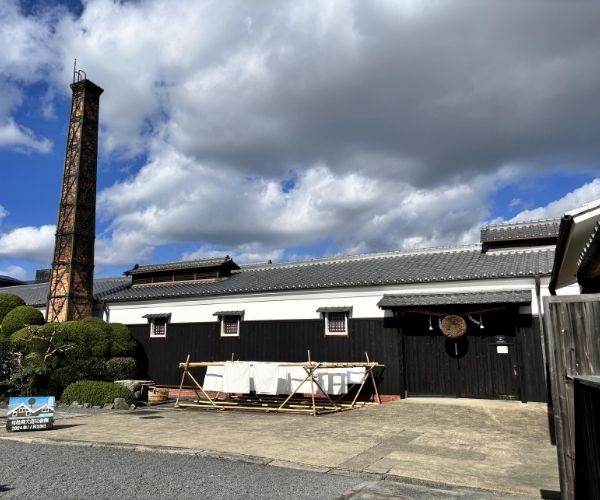
Visitors can step into a small courtyard where traditional cedar fermentation tanks are displayed alongside Gekkeikan’s Uchigura Sake Brewery, recognizable by its tall chimney. Sake is still brewed here during the winter months. At the entrance to Uchigura, a large sugidama (cedar ball)—a traditional symbol of sake—hangs overhead. If you visit in November, you may see it in a vibrant green color, signaling that the year’s new sake has just been brewed.
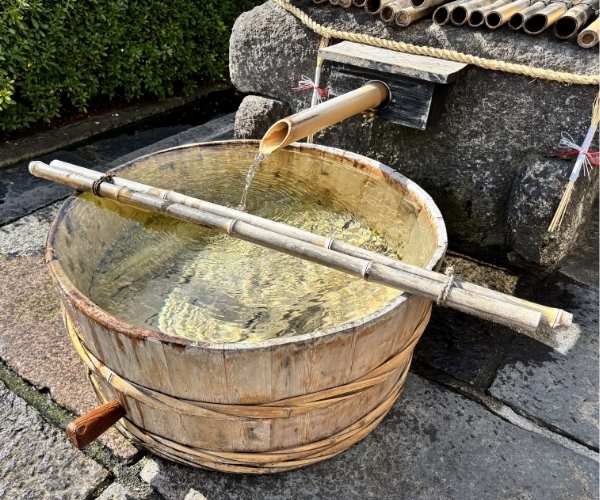
The courtyard also features a well where visitors can taste Fushimi’s famously gentle groundwater, drawn from around 50 meters underground and used in Gekkeikan’s sake production.
Shop
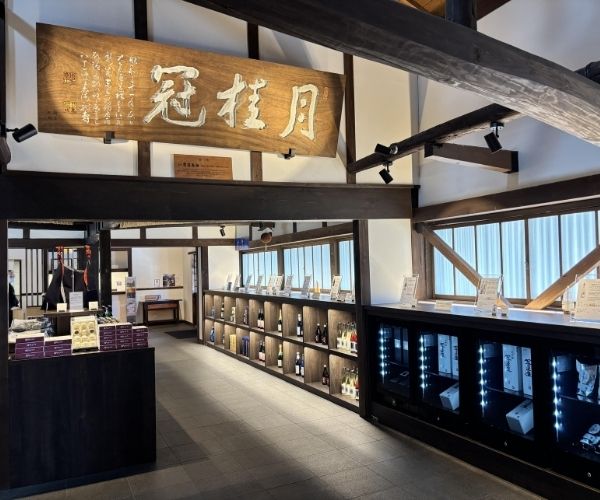
Near the exit, you can find a shop which offers a wide selection of Gekkeikan sake, along with sake ware and other souvenirs. Brewery-exclusive bottles and limited seasonal releases are sometimes available. Near the register, you’ll find an original Gekkeikan stamp—why not add a small but memorable mark to your travel notebook as a souvenir of your trip to Japan?
Our Perspective: How to Make the Most of Your Visit
Is Gekkeikan Okura Sake Museum worth visiting?
Gekkeikan Okura Sake Museum is worth visiting if you want an introduction to sake in one of Kyoto’s most important brewing districts. Located in Fushimi—renowned as one of Japan’s top sake-producing regions, yet only a limited number of breweries are open for visitors. The museum allows visitors to explore the rich history of sake brewing, see traditional brewing tools up close, and experience sake culture in a relaxed setting. It is especially appealing for travelers looking for concise, self-guided introductions to sake culture in Fushimi.
Should I visit the Museum by Myself?
The museum works well as a solo visit, especially for travelers who prefer a quiet, flexible, self-paced experience.
The exhibits are easy to navigate, and an online guide is available on your smartphone, though the explanations—particularly about sake production and flavor differences—are fairly limited. As a result, you may not be able to gain a thorough understanding of how sake is made, the sake categories, or why sake tastes the way it does, but you can still enjoy the atmosphere of the museum.
For solo visitors who want deeper understanding, joining the Kyoto Insider Sake Experience before or after the museum visit provides essential context—covering sake production, categories, and tasting techniques—making the museum tasting far more meaningful.
Should I visit the Museum with a Sake Expert Tour Guide?
Visiting with a sake expert is ideal for travelers who want to understand why sake tastes the way it does, not just see how it is made. While the museum works well as a quiet, self-guided visit, explanations of brewing techniques, sake categories, and flavor differences are limited. A guided visit with a certified sake sommelier fills that gap—connecting what you see in the museum to what you taste in the glass. After the museum tasting, our 3-hour Kyoto Insider Sake Experience continues nearby with a guided tasting of seven additional sakes, allowing you to compare styles with clarity and confidence.
Is it suitable for beginners?
Gekkeikan Okura Sake Museum is suitable for beginners and first-time sake drinkers. Historical exhibits and traditional tools are easy to appreciate without prior knowledge, and the short video near the entrance provides helpful background. Watching the video before entering the exhibition rooms will make the overall experience clearer and more enjoyable.
Where should I visit after Gekkeikan in Fushimi?
Fushimi offers several excellent attractions within walking distance, making it easy to continue exploring after the museum.
Fushimi Jukkoku-bune Canal Boat
A seasonal boat ride that recreates Edo-period transport routes once used to ship sake and rice from Fushimi to Osaka, offering scenic views of the historic brewery district. Operates roughly from mid-March to early December.
Kyoto Insider Sake Experience
Ideal before or after your museum visit, our 1.5-hour tasting introduces sake basics through guided tasting and food pairing, while the 3-hour tour combines a museum visit with deeper tasting and explanation—helping you truly understand what you are drinking.
Fushimi Sake Village
A compact dining area with eight restaurants, including a sake-focused venue featuring local Fushimi breweries, as well as sushi, ramen, and casual Japanese dishes.
Kizakura Kappa Country
A sake and craft beer complex with a small exhibition space, shop, and restaurant, operated by one of Fushimi’s best-known breweries—perfect for a relaxed meal with drinks.
Small But Helpful Tips For Visiting
・To avoid crowds, visiting in the morning or early afternoon is often more comfortable.
・The museum may close unexpectedly, so it is best to check the official website before your visit.
・When using a map app, search for “Gekkeikan Okura Sake Museum” rather than entering the address directly, as this may lead to the wrong location.
FAQ
- How long does the visit take?
-
Most visits take about 40 to 60 minutes, making it easy to combine with other sights in Fushimi.
This time typically includes watching the introductory video, exploring the exhibition rooms and courtyard, and enjoying a sake tasting. - Do I Need to Make a Reservation?
-
A reservation is not required, but it is strongly recommended during busy periods. During peak seasons such as Golden Week and on weekends in spring and autumn, the museum can become quite crowded, so booking in advance through the official Gekkeikan website will help ensure a smoother visit.
- Can I visit by car?
-
Yes, there is a parking area available, but visitors arriving by car should note that the driver is not permitted to participate in the sake tasting. For this reason, public transportation or taxis are often more convenient.
- Can I drink sake there?
-
Yes, visitors aged 20 and over can enjoy sake tasting at the end of the museum visit.
Your admission includes three tasting coins, which can be exchanged for three different sakes, and additional coins are available for ¥100 each if you would like to try more.
Information
| Name of Brewery | Gekkeikan Okura Sake Museum |
| Region / District | Southern Kyoto |
| Opening Hours | 9:30 – 16:30 (last admission 16:00) Mon – Sun |
| Closed | New Years holiday period (from December 28 to January 4) O-Bon festival (from August 13 to August 16) |
| Address | 247 Minamihama-cho, Fushimi-ku, Kyoto 612-8660, Japan |
| Website | https://www.gekkeikan.com/museum/ |
| Admission | ¥600 (age 20+) / ¥100 (ages 13–19) / Free (age 12 and under) |
| Groups | Groups of 13 or more are not accepted |
| Shop / Purchases | Available |
| Tasting | Available (3 samples are included in the admission fee) |
| Guided Tours | Not offered (all visits are self-guided; a free smartphone Museum Guide is available) |
| English Support | English-speaking staff are available |
| Reservation | Not required, but recommended especially during peak seasons |
| Payment | Cashless only (credit cards, IC cards, and mobile payment accepted; cash not accepted) |
| Notes | Reservation Details – Reservations can be made for tours starting at 15 and 45 minutes past the hour. – Walk-in visits (no reservation required) are accepted at 00 and 30 minutes past the hour, though availability depends on crowd levels. – During peak seasons—such as cherry blossom and autumn foliage periods, as well as weekends and public holidays—making a reservation is strongly advised. – Reservations can be made from two weeks before your visit until the day prior. – Make a Reservation (Official Website) |
Your Japan Trip Gets Better Once You Understand Sake
Start with Kyoto Insider Sake Experience in Fushimi.
Fushimi is Kyoto’s sake district — but simply visiting a bar or shop won’t help you understand which sake to choose or why it tastes the way it does.

At Kyoto Insider Sake Experience, you’ll join an expert-led sake tasting and food pairing session designed to help you taste with confidence. By comparing different styles side by side, you’ll clearly understand the differences in aroma, flavour, and structure — and discover what you truly enjoy.
This experience is the perfect introduction to sake at the beginning of your trip in Japan. Not just tasting sake, but learning how to choose it — anywhere, anytime.
Discover Japan’s real sake & food culture in Fushimi.
| Experience | Insider Sake Brewery Tour |
Discover | Sake Tasting |
Food Pairing |
Price |
|---|---|---|---|---|---|
 3-Hour Sake Tasting
+ Brewery Tour |
10 am / 11 am Less Crowded |
Sake Basics + Making Process |
10 kinds |
10 am / 11 am JPY ¥12,300~ (USD $77.80~) ————————- 1 pm / 3 pm JPY ¥13,000~ (USD $82.23~) |
|
 1.5-Hour Sake
Tasting Experience |
Sake Basics |
7 kinds |
JPY ¥9,800〜 (USD $61.99〜) |
||
 Advanced Sake
Tasting Experience (Duration:1.5〜2 Hours) |
Sake Basics + Advanced Sake Insight |
10 kinds (Special sake) |
JPY ¥10,800〜 (USD $68.32〜) |
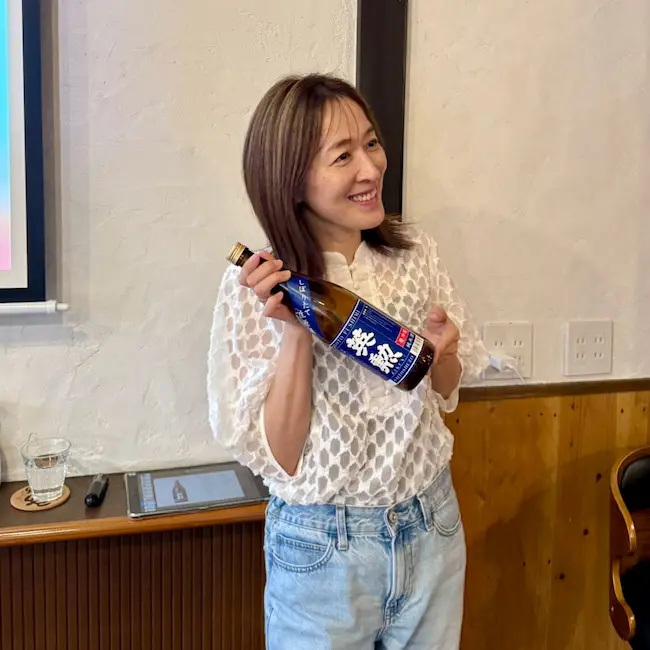
Written by Kyoko, a sake tour guide
Qualifications: Sommelier of sake
About me:
Sake is of course delicious, but also unique and profound in so many ways, more than I ever imagined. I would love to share this world of sake with you!
I am passionate not only for sharing knowledge of sake, but for creating an unforgettable experience for all of our guests.