
Why Kyoto sake is so special. Most visitors come to Kyoto for temples, gardens, and traditional culture – but beneath the city flows another treasure: some of Japan’s finest sake water.
Few realize that Kyoto is also home to some of Japan’s most distinctive sake.
For centuries, Kyoto’s soft underground water has helped create a style of sake known for its smooth texture, elegant aroma, and refined taste. At the center of this brewing culture is Fushimi, Kyoto’s historic sake district, home to some of Japan’s most respected breweries.
Unlike the bold and powerful sake styles found in other parts of Japan, Kyoto sake is often softer, more delicate, and incredibly approachable for beginners. This unique character has made Kyoto a favorite destination for travelers seeking authentic Japanese sake experiences.
Whether you are new to sake or already a fan, tasting sake in Kyoto offers a deeper connection to Japanese culture, history, and craftsmanship.
But with hundreds of bottles available across the city, knowing where to start can be surprisingly difficult.
In this guide, we introduce seven Kyoto sake bottles that showcase the remarkable diversity of Kyoto brewing—from elegant daiginjo and refreshing nigori to rich, umami-driven styles that challenge what many people expect sake to taste like.
Essential Sake Terms for Beginners
Junmai: Sake made up of water, koji mold, yeast and rice which doesn’t require milling.
Junmai Ginjo: Sake made up of water, koji mold, yeast and rice. 40% of the rice is polished, with 60% of each grain remaining.
Ginjo: Sake made up of rice, water, koji mold, yeast and a portion of added distilled alcohol and the rice. 40% of the rice is polished, with 60% of each grain remaining.
Junmai Daiginjo: Sake made up of water, koji mold, yeast and rice polished to 50%.
Daiginjo: Sake made up of rice, water, koji mold, yeast and a portion of distilled alcohol, with rice polished to 50%.
Muroka: Muroka means “unfiltered.” These sake varieties retain more natural aroma and flavor, resulting in a bolder and more expressive drinking experience.
Namagenshu (Unpasteurized Sake): Namagenshu is an unpasteurized and undiluted sake known for its fresh aroma, lively flavor, and rich texture. Compared to regular sake, it often tastes more vibrant and energetic, making it a favorite among adventurous sake drinkers.
Nigori Sake: Nigori is a cloudy style of sake made with partially filtered rice sediment. It is often creamy, slightly sweet, and smooth, making it especially popular with beginners and wine lovers.
One challenge many visitors face is that sake labels alone rarely explain how different styles compare. Understanding a few fundamentals—such as aroma, texture, acidity, and rice character—can make exploring Kyoto sake far more rewarding. Experiences such as the Kyoto Insider Sake Experience are designed to provide that foundation before you begin exploring on your own.
Where to Start Exploring Kyoto Sake
The bottles below represent some of the finest expressions of Kyoto sake. Rather than ranking them from best to worst, we’ve selected each one to showcase a different style, ingredient, or brewing philosophy—helping you discover the remarkable diversity of Kyoto’s sake culture.
Quick Guide to Kyoto Sake Styles
If you’re not sure which bottle matches your taste, the table below offers a quick starting point before exploring each recommendation in more detail.
| Sake | Best for | Taste styles |
| Konteki | Elegant Kyoto Sake | Light & Floral |
| Kotosennen | Kyoto-grown rice | Smooth & balanced |
| Kagura | Modern sake | Fresh & vibrant |
| Tsuki no Katsura | Beginners | Creamy & lightly sweet |
| Rakuden | Omachi rice | Rich & savory |
| Tomio | Food pairing | Crisp & versatile |
| Tamagawa | Adventurous palates | Bold & earthy |
Which Kyoto Sake Should You Start With?
If you’re new to sake:
- Start with Kotosennen or Konteki
If you enjoy sparkling wine:
- Try Tsuki no Katsura Nigori
If you enjoy richer, more complex drinks:
- Explore Rakuden or Tamagawa
If you want something versatile with food:
- Tomio
Konteki Daiginjo
Best for: Discovering Kyoto’s Elegant and Refined Style
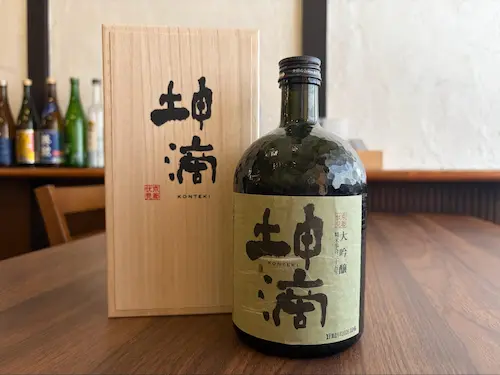
Konteki Daiginjo is a premium sake crafted in Kyoto’s historic Fushimi district, an area renowned for its pure underground water and centuries-old brewing tradition.
The name Konteki means “Drops of the Earth.” The character “Kon” (坤) symbolizes the nurturing power of the earth in classical Asian philosophy, reflecting the natural underground water that has shaped Kyoto’s elegant sake culture for centuries.
Made with Yamada Nishiki rice polished down to an exceptional 35%, Konteki Daiginjo is slowly brewed using Fushimi’s famous spring water, Fushimizu, creating a sake with remarkable purity, smoothness, and refinement.
Delicate notes of melon, pear, and white flowers give the sake a graceful and approachable character that perfectly represents the softer style of Kyoto sake. Subtle yet expressive, Konteki is easy to enjoy for beginners while continuing to impress experienced sake lovers around the world.
Best served chilled, it pairs beautifully with sushi, sashimi, tofu dishes, seafood, and delicate Kyoto cuisine.
More than simply a premium sake, Konteki Daiginjo offers a quiet and refined taste of Kyoto itself.
Kotosennen Junmai Daiginjo
Best for: Experiencing Kyoto-Grown Rice
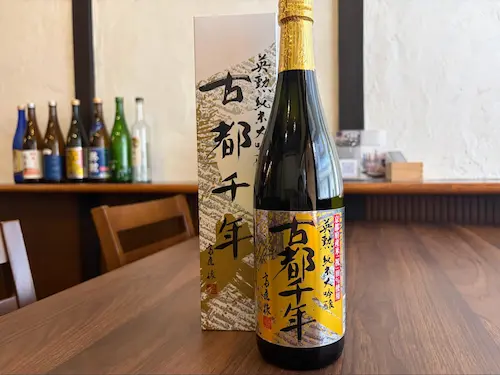
Kotosennen Junmai Daiginjo is one of the signature sake bottles of Eikun, a historic Kyoto brewery located also in Fushimi.
This elegant junmai daiginjo is brewed using Iwai, a rare sake rice variety developed in Kyoto and now used exclusively by breweries within the prefecture. Polished down to 45%, the rice creates a sake with exceptional purity, delicate aroma, and refined balance.
Kotosennen is especially known for its soft and fruity character. Gentle notes of melon, pear, and white flowers are supported by a subtle sweetness and smooth texture — beautifully expressing the softer and more approachable style that Kyoto sake is famous for.
Eikun follows a simple brewing philosophy: “Sake should never be the main player. Sake should always play a supporting role, bringing out the flavour of the food it accompanies”. This delicate balance makes Kotosennen an ideal pairing for Kyoto cuisine, including sushi, tofu dishes, seasonal vegetables, and lightly seasoned Japanese dishes.
Elegant, smooth, and quietly expressive, Kotosennen Junmai Daiginjo offers a classic taste of Kyoto’s refined sake culture.
Kagura Kuro 35
Best for: Enjoying Fresh and Modern Sake Styles
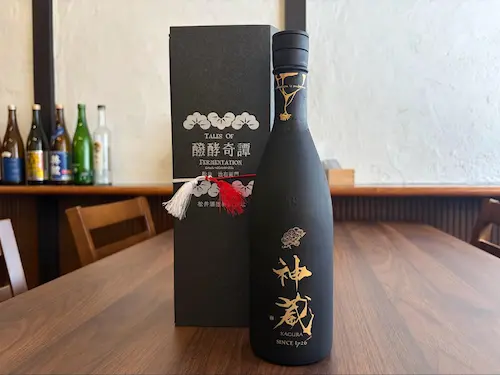
If you want to experience the vibrant and contemporary side of Kyoto sake, Kagura Kuro 35 is an unforgettable introduction.
Made with premium Yamada Nishiki rice polished down to 35%, this muroka namagenshu is brewed using Kyoto’s famously soft underground water, creating a style that is both elegant and expressive. Notes of green apple, white peach, and green banana lead into a smooth, clean finish.
As an unpasteurized and undiluted sake, Kagura delivers lively freshness and rich flavor rarely found in standard sake varieties. Bottled immediately after pressing, it naturally retains delicate carbonation from fermentation, giving the sake an energetic texture and refreshing character.
Despite its richness, the balance remains refined and approachable — a perfect reflection of Kyoto’s brewing style. Best enjoyed well chilled, Kagura pairs beautifully with sushi, sashimi, oysters, and delicate Kyoto cuisine.
For many travelers, Kagura becomes the bottle that completely changes their impression of Japanese sake — fresh, elegant, and unmistakably Kyoto in character.
Tsuki no Katsura Nigori Sake
One of Kyoto’s Most Iconic Traditional Nigori Sake
Best for: Beginners and Wine Lovers
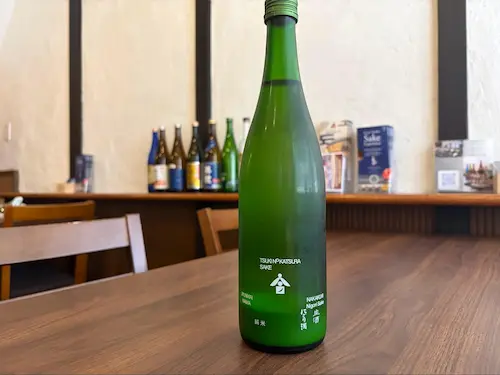
Tsuki no Katsura Nigori is one of the most historic and distinctive sake varieties you can experience in Kyoto.
Brewed in Fushimi by Masuda Tokubee Shoten, one of Kyoto’s oldest breweries, this legendary nigori sake is deeply connected to Kyoto’s brewing history and is often regarded as a pioneer of modern nigori sake in Japan.
Partially filtered to retain fine rice sediment, it has a cloudy appearance, creamy texture, gentle sweetness, and refreshing acidity. A secondary fermentation inside the bottle creates delicate natural carbonation, giving the sake a light sparkling character that beautifully balances its richness.
With notes of steamed rice, banana, yogurt, and subtle tropical fruit, this Kyoto-style nigori remains refined, smooth, and highly approachable — even for first-time sake drinkers.
Best enjoyed chilled, it pairs beautifully with spicy dishes, cheese, desserts, and even chocolate.
For travelers exploring Kyoto sake culture, Tsuki no Katsura Nigori offers a memorable taste of Kyoto’s brewing tradition in one glass.
Rakuden Junmai
Best for: Exploring Omachi Rice
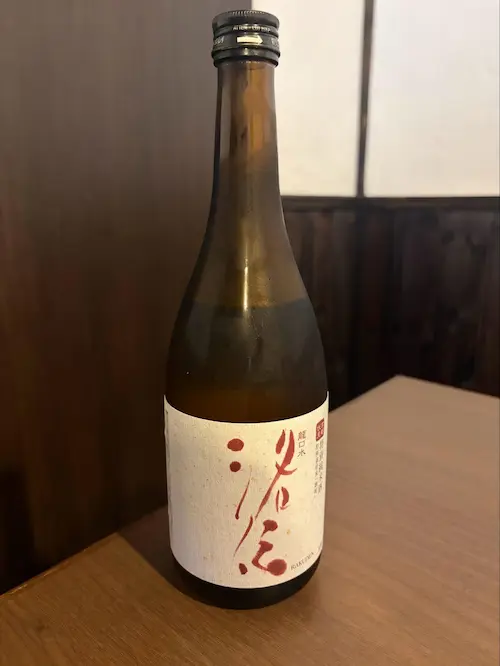
For sake enthusiasts seeking the distinctive character of Omachi rice, Rakuden Junmai is a bottle not to be missed.
Brewed by Higashiyama Sake brewery in Kyoto (the same brewery that produces Konteki Daiginjo featured earlier in this guide) , this junmai sake is made with Omachi rice grown using reduced pesticides and chemical fertilizers. The brewery carefully cultivates a robust koji and allows the sake to ferment slowly at low temperatures using Kyoto’s famous Fushimizu water, drawing out the full depth and richness of the rice.
The aroma is reminiscent of ripe melon, offering an inviting and elegant first impression. On the palate, delicate fruit notes give way to a beautiful expression of rice umami, creating a sake that is both flavorful and refined. The balance between aromatic complexity and rich rice character makes it a memorable drinking experience.
For lovers of Omachi rice, this sake is particularly rewarding, showcasing the variety’s signature depth and richness while maintaining remarkable elegance.
A beautifully crafted Kyoto junmai that highlights the expressive character of Omachi rice while remaining refined and approachable.
Tomio Tokubetsu Junmai Gohyakumangoku
Best for: Food Pairings especially with Kyoto’s Delicate Cuisine
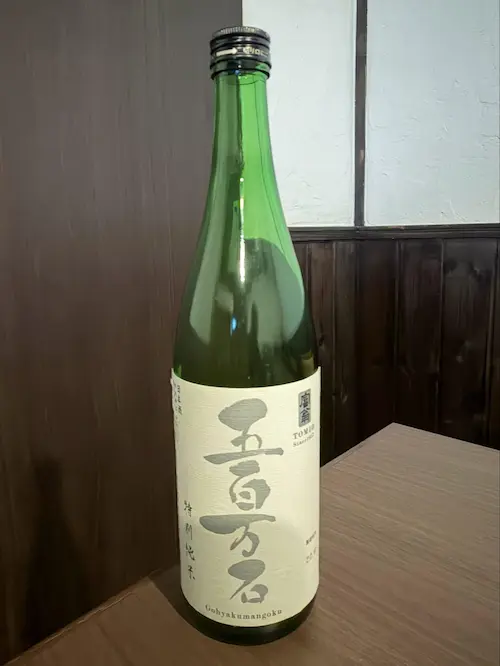
If you’re looking for a sake that pairs effortlessly with almost any meal, Tomio Tokubetsu Junmai Gohyakumangoku is an excellent choice.
This sake is brewed using Gohyakumangoku, one of Japan’s most highly regarded sake rice varieties, grown in neighboring Fukui Prefecture. The rice is polished down to 58%, creating a clean and refined profile. Unlike many aromatic sake styles, this bottle features a subtle nose, allowing its smooth flavor and balanced character to take center stage.
Although it is a junmai sake, it is not overly rich or heavy. Instead, it offers a gentle expression of rice umami with a crisp, refreshing finish. Its elegant balance makes it exceptionally food-friendly and versatile enough to complement everything from sushi and sashimi to grilled meats and international cuisine.
For visitors exploring Kyoto’s culinary scene, this is a sake that can comfortably accompany an entire meal without overwhelming the flavors of the food.
Recommended Serving Style: Slightly chilled
Tamagawa Yamahai Junmai Muroka Namagenshu
Best for: Discovering Rich Umami and Adventurous Flavors
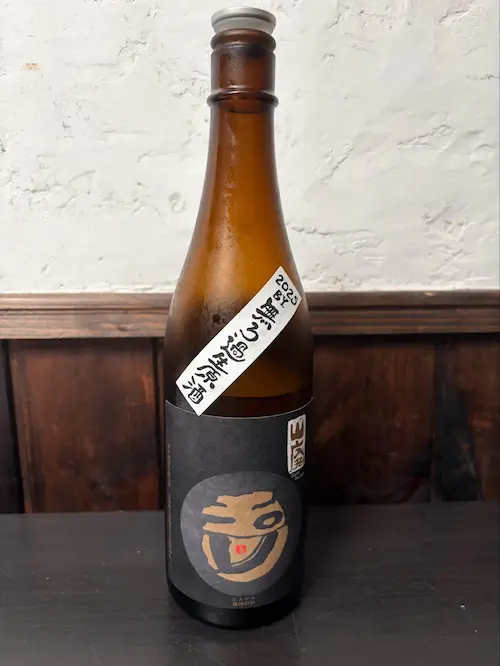
Tamagawa Yamahai Junmai Murokanamagenshu is a distinctive sake brewed in northern Kyoto.
Unlike the lighter and more delicate style often associated with Kyoto sake, this bottle offers deeper umami, gentle acidity, and a rich, earthy character balanced by the softness of Kyoto water.
What makes Tamagawa especially unique is its brewing philosophy under British-born master brewer Philip Harper, one of the few non-Japanese toji in Japan. His bold and unconventional approach has made the brewery popular among sake enthusiasts around the world.
Tamagawa is also well known for its dedication to aged sake production, allowing visitors to experience not only fresh and vibrant sake styles, but also the deeper complexity and evolving flavors that come with maturation.
You may notice aromas of ripe banana, nuts, and grain, followed by rich umami and refreshing acidity. It is bold, expressive, and very different from the light and fruity styles many people expect from sake.
Best enjoyed slightly chilled or at cellar temperature, it pairs especially well with grilled fish, yakitori, aged cheese, and savory dishes rich in umami.
For travelers exploring Kyoto sake culture, Tamagawa Junmai Ginjo Omachi offers a more adventurous and deeply expressive side of Kyoto brewing tradition.
Experience Kyoto Through Sake
From elegant daiginjo to lively sparkling nigori and bold expressions, Kyoto sake offers far more diversity than many travelers expect. Each bottle tells a different story — of Kyoto’s soft water, centuries-old brewing traditions, and evolving sake culture.
Whether you are discovering sake for the first time or searching for something uniquely Japanese, exploring Kyoto through sake becomes more than a tasting experience. It becomes a deeper connection to the city itself.
The best way to understand Kyoto sake is not simply to read about it, but to experience it in the place where it was born.
Once you understand a few key differences between sake styles, every bottle you encounter during your trip becomes more meaningful. Instead of choosing at random, you’ll recognize what suits your own palate and appreciate the craftsmanship behind each style.
That’s exactly what we aim to help visitors discover at the Kyoto Insider Sake Experience.
Your Japan Trip Gets Better Once You Understand Sake
Start with Kyoto Insider Sake Experience in Fushimi.
Fushimi is Kyoto’s sake district — but simply visiting a bar or shop won’t help you understand which sake to choose or why it tastes the way it does.

At Kyoto Insider Sake Experience, you’ll join an expert-led sake tasting and food pairing session designed to help you taste with confidence. By comparing different styles side by side, you’ll clearly understand the differences in aroma, flavour, and structure — and discover what you truly enjoy.
This experience is the perfect introduction to sake at the beginning of your trip in Japan. Not just tasting sake, but learning how to choose it — anywhere, anytime.
Discover Japan’s real sake & food culture in Fushimi.
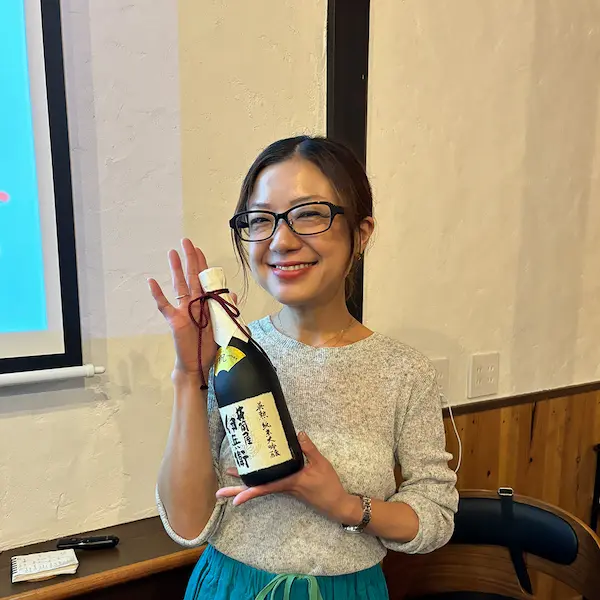
Written by Kiyomi, a sake tour guide
Qualifications: Sommelier of sake
About me:
When I lived abroad, I enjoyed wine, but after returning to Japan, I became completely fascinated with sake. Sake has incredible depth. Through the tour, I hope to provide an opportunity to experience Japanese culture through sake and help create wonderful memories of your time in Japan.